If your business started as a side hustle, you may already have some preliminary sales data. Even a few numbers can help you figure out which of your products are bestsellers and what times of year your sales will be high or low. Keep in mind you’ll also incur the cost of credit card chargebacks for change in net working capital fraudulent or disputed transactions.
Pros and Cons of Business Lines of Credit
- In this model, the funder buys a percentage of your future sales, then collects a percentage of sales each day by holding back a portion of your credit or debit card sales.
- The first will give you a place to manage your day-to-day revenue and expenses, while the second can be used for setting aside money for things like taxes or future investments in your business.
- There’s no need to track accounts receivable or payable, and you always have a clear idea of exactly how much money you have.
- Think of a small business line of credit as a credit card more than a loan.
You can use this template to set goals and track sales history as well. Financial planning is critical for any successful small business, but the process can be complicated. To help you get started, we’ve created a step-by-step guide and rounded up top tips from experts. Minority Deposit Institutions are organizations that are mostly owned (51 percent) by people of color and serve minority communities. MDIs also should have a board of directors made up of mostly minority individuals. They’re often located in a minority community and may offer bilingual services to promote an equal playing field for financial understanding.
The underwriting process at traditional banks can be clunky and obscure. Through Shopify Capital, merchants can get funding within days of being approved. Once merchants accept an offer and it is approved, funds are deposited in as little as two days and loans can be repaid as they make sales.
Start and grow your business
Established small businesses, typically with two years in operation, generally opt for term loans. They use term loans to buy assets (such as equipment) or how to write fundraising scripts that boost donations growth investments, versus using it to cover day-to-day expenses. A term loan is a common small business loan, in which the bank loan is a fixed amount that is repaid at regular intervals over a set period of time. These loans may require a big down payment to lower the loan payments and total loan costs.
Equipment financing is a type of small business loan designed to help you buy equipment for your business. These loans cover any number of things, including office furniture, commercial ovens, medical equipment, computers, heavy-duty manufacturing equipment, and more. We believe everyone should be able to make financial decisions with confidence.
But getting the word out and getting others excited about donating to your business goals can be challenging. Of course, the interest rates on credit cards can be high, even for well-qualified applicants. The average credit card interest rate for Nov. 2021 was 14.51% (based on Federal Reserve data for accounts that assessed interest). Business credit card interest rates may be somewhat higher, but they also depend on your personal credit rating and other factors. Accrual basis accounting is more complex because it tracks revenue when earned and expenses when incurred, regardless of when cash changes hands. For example, if you send an invoice to a client in December 2024 but don’t receive payment until January 2025, then you’d record that income for 2024, not 2025.
You’re our first priority.Every time.
Many, or all, of the products featured on this page are from our advertising partners who compensate us when you take certain actions on our website or click to take an action on their website. You’re probably familiar with the importance of having your own emergency fund, but did you know your business should have one, too? This became apparent for many businesses during the COVID-19 pandemic, but unexpected business shortfalls can happen for many reasons.
The quickest way to turn a business idea into a business plan
These lenders offer a variety of small-business financing options, including term loans, lines of credit and invoice financing. The cost of borrowing, however, is generally higher; annual percentage rates can range anywhere from 10% to measures of leverage 79%. A small business financial plan is an outline of the financial status of your business, including income statements, balance sheets, and cash flow information. A financial plan can help guide a small business toward sustainable growth.
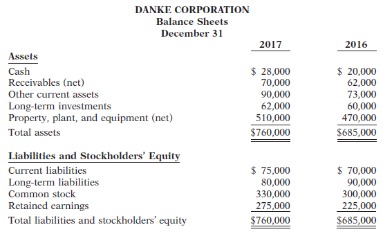
To determine your equity, calculate all of your assets minus your liabilities. The creditworthiness of your customers matters more than your own business’ credit scores when it comes to this type of financing. So, even with bad credit or no established credit, you might be able to qualify. Yet as you may encounter with other nontraditional business funding sources, the cost of borrowing can be high with invoice factoring. The cash flow statement summarizes the movement of cash in and out of your business over a period of time.